All
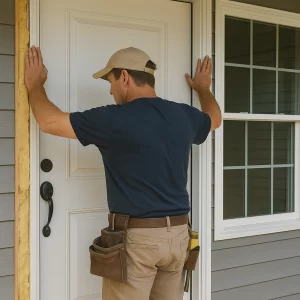
Proper Door Installation Techniques for Long-Term Performance
A high-quality door can still fail if it’s not installed correctly. Proper installation ensures your entryway stays energy-efficient, weather-tight, and secure for years to come. Key Door Installation Techniques Accurate Framing: Door openings must be plumb, level, and square. Even small deviations can lead to poor fit, drafts, and premature wear. Sill Pan Flashing: Prevents…
Read More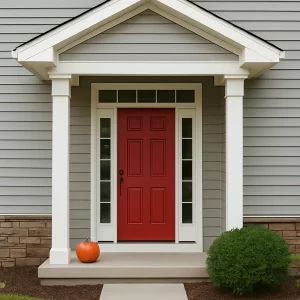
How a New Front Door Can Improve Home Value and Security
Your front door is one of the first things visitors—and potential buyers—notice. Replacing an outdated or worn door can do more than just enhance your curb appeal—it can directly increase your home’s value and improve safety. 1. Curb Appeal and First Impressions Modern entry doors come in dozens of styles, materials, and finishes. A well-chosen…
Read More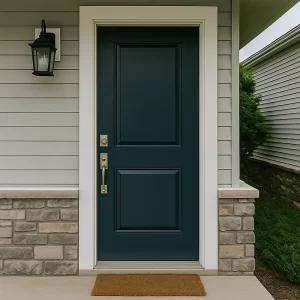
Best Exterior Doors for Canadian Climates: A Material Guide
Choosing the right exterior door for your home or commercial space in Canada means balancing performance, durability, and curb appeal—especially in regions with extreme temperatures, snow, and heavy rainfall. Here’s a breakdown of the top exterior door materials and their benefits. 1. Fibreglass Doors Pros: Highly energy-efficient with insulated cores Low maintenance and moisture-resistant Can…
Read More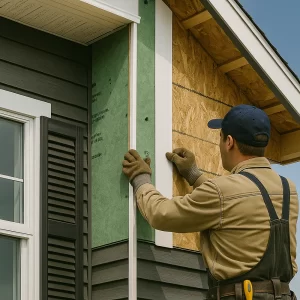
Retrofit vs. Full-Frame: Choosing the Right Window Install Method
Choosing between a retrofit (insert) and full-frame window installation depends on your building’s condition, energy goals, and budget. Retrofit Window Installation Inserts are installed into the existing frame without removing trim or flashing. Best For: Homes with solid, undamaged frames Faster, more cost-effective upgrades Minimal disruption to siding and interiors Limitations: May not fully resolve…
Read More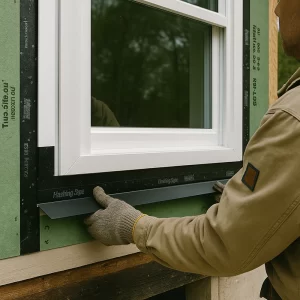
How Proper Window Installation Prevents Drafts and Moisture Damage
Even the highest-quality windows will underperform if they aren’t installed correctly. In fact, poor installation is one of the top causes of air leakage and water intrusion in homes. Common Issues Caused by Bad Window Installs Cold drafts in winter and overheating in summer Mold growth and interior water damage Swollen window sills and damaged…
Read More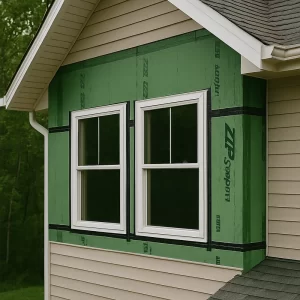
Top Energy-Efficient Window Options for New Builds
When planning a new construction project, window selection plays a major role in your building’s energy efficiency, comfort, and long-term performance. The right windows not only cut heating and cooling costs—they help you meet strict energy codes and support net-zero building goals. 1. Triple-Pane Windows Triple-glazed windows offer superior insulation thanks to three layers of…
Read More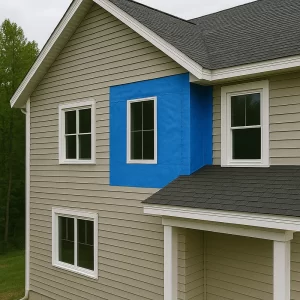
Building Envelope Upgrades for Net-Zero Construction Goals
As energy codes evolve and climate goals become more urgent, net-zero construction is no longer a future concept—it’s here now. Whether you’re building new or retrofitting, the building envelope is where net-zero performance starts. What Is a Net-Zero Building? A net-zero building produces as much energy as it consumes annually. That requires: High-efficiency HVAC systems…
Read More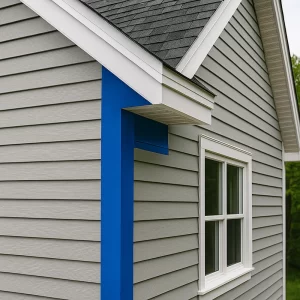
How to Improve Air Tightness Without Sacrificing Design
Air tightness is a key part of energy-efficient construction, but many homeowners and designers worry that tight buildings mean boring or boxy ones. The good news? You don’t have to choose between performance and style. Why Air Tightness Matters Air leaks are responsible for up to 30% of a building’s energy loss. Gaps around windows,…
Read More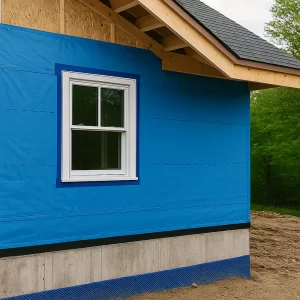
What Is a Building Envelope and Why Does It Matter?
The term building envelope gets used a lot in construction—but what exactly does it mean, and why is it so important? Defining the Building Envelope The building envelope is the physical barrier that separates the interior of a structure from the exterior environment. It includes: Exterior walls (siding, sheathing, insulation) Windows and doors Roof and…
Read More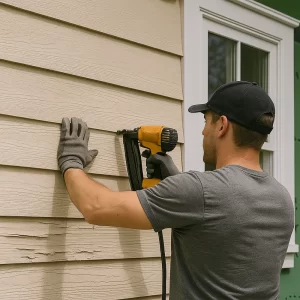
The Role of Siding in Energy Efficiency and Moisture Protection
While siding is often chosen for its visual appeal, its functional role is just as important. Modern siding systems help manage energy loss, block moisture intrusion, and create a more resilient building envelope. Energy Efficiency Benefits Thermal Regulation: High-performance siding materials like fibre cement and insulated vinyl reduce heat transfer, keeping homes warmer in winter…
Read More