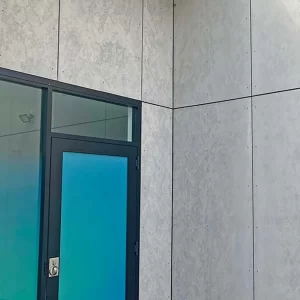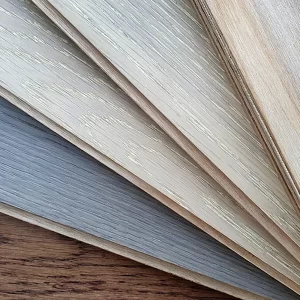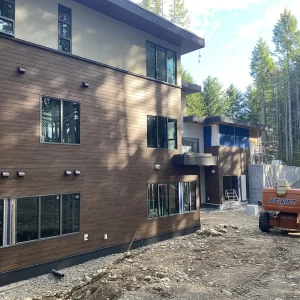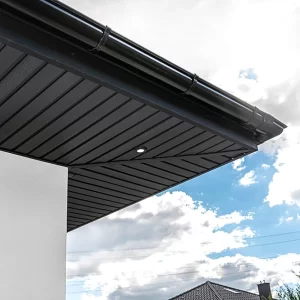
A rain-screen is more than just an air gap. To work properly, the system must be designed and installed with the correct components. Here's what makes up a high-performing rain-screen system:
1. Weather-Resistant Barrier (WRB)
Installed over the sheathing, the WRB (e.g., building wrap or membrane) is the primary line of defense against water.
2. Furring Strips or Rainscreen Battens
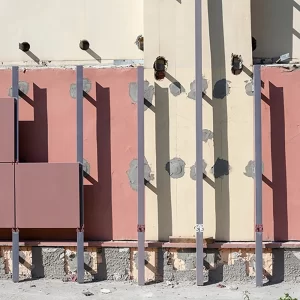
Vertical (and sometimes horizontal) battens are installed over the WRB to create an air gap between the sheathing and siding. These are usually wood or non-combustible metal/plastic strips.
3. Flashing and Kick-Outs
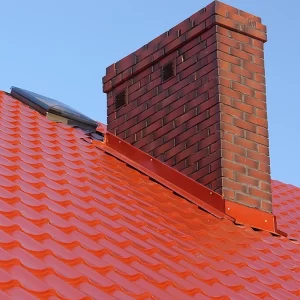
Proper flashing directs water away from sensitive areas like windows, doors, and the base of walls.
4. Vented Cladding Assembly
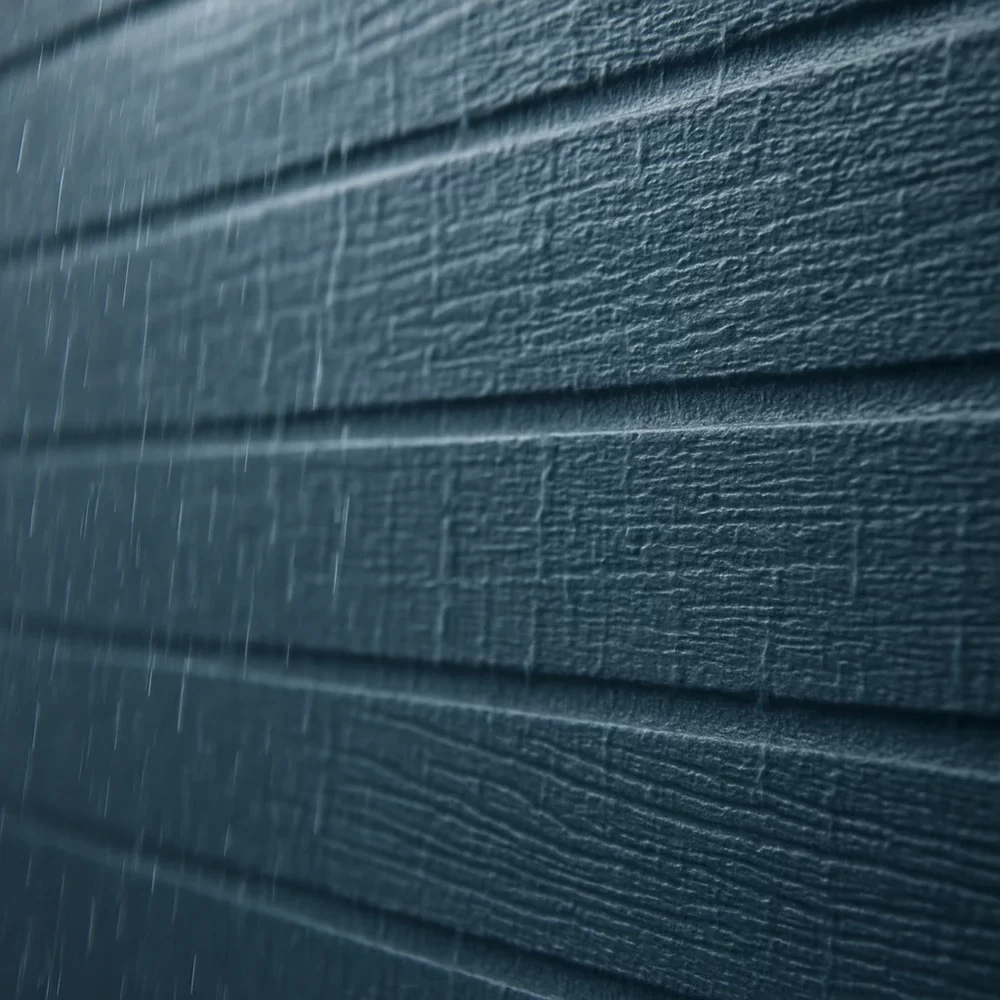
The siding is attached over the furring strips, allowing airflow and drainage behind it.
5. Vented Top and Bottom Details
Mesh or vented trim at the top and bottom of the wall cavity allow air to circulate while keeping out insects and debris.
At Accent Exteriors, we build rain-screen systems tailored to your cladding type and regional building code. We also ensure all transitions, penetrations, and trims are fully sealed and flashed for long-term performance.

Did you find this article helpful but still have questions?
If you’re looking for expert guidance on siding installation, energy-efficient building envelopes, rain-screen systems, or any other aspect of exterior construction, we’re here to help. Just click the button below to get in touch. We’ll help you move forward with confidence. Whether you’re a homeowner exploring options or a contractor managing a larger build, the Accent Exteriors team is ready to answer your questions and provide solutions that perform — from British Columbia to Ontario.