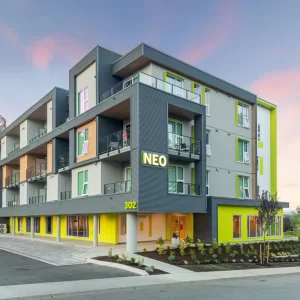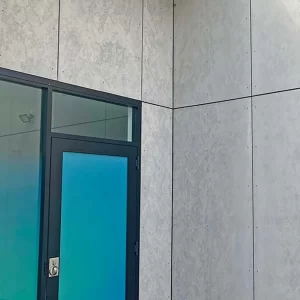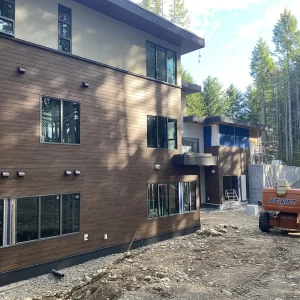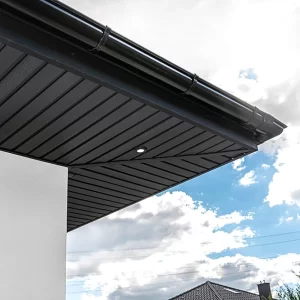

Building to net-zero standards requires more than just high-efficiency heating and solar panels—it starts with the building envelope. Exterior insulation is a key component in achieving a net-zero home because it minimizes heat loss, reduces energy demand, and supports airtight design.
What Is Exterior Insulation?
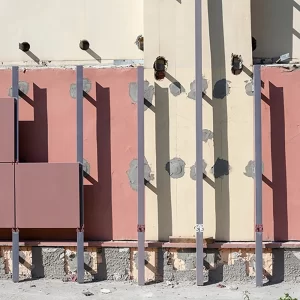
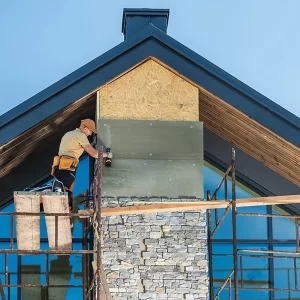
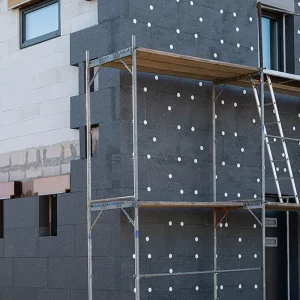
Exterior insulation, or continuous insulation (CI), is installed on the outside of the building’s sheathing—creating an uninterrupted thermal barrier that wraps the structure.
Why It’s Essential for Net-Zero:
Reduces Thermal Bridging: By covering studs and framing, CI prevents heat from escaping through structural elements.
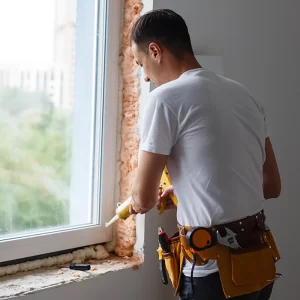
Improves Air Tightness: Works in tandem with weather barriers and rainscreens to reduce leaks and infiltration.
Boosts R-Value: Significantly increases wall performance without sacrificing interior square footage.
Supports Moisture Control: With proper detailing, it prevents condensation and mold by keeping dew points outside the structure.
At Accent Exteriors, we help builders and homeowners integrate CI systems that meet Step Code, Passive House, and net-zero energy goals—without compromising buildability or aesthetics.

Did you find this article helpful but still have questions?
If you’re looking for expert guidance on siding installation, energy-efficient building envelopes, rain-screen systems, or any other aspect of exterior construction, we’re here to help. Just click the button below to get in touch. We’ll help you move forward with confidence. Whether you’re a homeowner exploring options or a contractor managing a larger build, the Accent Exteriors team is ready to answer your questions and provide solutions that perform — from British Columbia to Ontario.