
Siding Services

How Soffits Improve Roof Ventilation and Prevent Ice Dams
Soffits play a key role in protecting your roof and attic—even though they’re often overlooked. Installed under the eaves of your roof, soffits provide essential ventilation that keeps your attic dry, cool, and energy-efficient. Why Roof Ventilation Matters Poor attic ventilation can lead to: Moisture buildup and mold growth Overheated attics in summer Ice dams…
Read More
Key Components of a Properly Installed Rain-Screen System
A rain-screen is more than just an air gap. To work properly, the system must be designed and installed with the correct components. Here’s what makes up a high-performing rain-screen system: 1. Weather-Resistant Barrier (WRB) Installed over the sheathing, the WRB (e.g., building wrap or membrane) is the primary line of defense against water. 2.…
Read More
How Rain-Screen Systems Extend the Life of Your Exterior
Water is the number one enemy of building exteriors. Even the best siding can fail if moisture gets trapped behind it. That’s where a rain-screen makes all the difference—by extending the life of your home or commercial cladding. How Rain-Screens Protect Your Exterior Drainage Plane: Any water that gets past the siding is channeled downward…
Read More
What Is a Rain-Screen and Why Is It Required in Many Regions?
If you’re building or renovating in a wet climate—or aiming for high-performance exterior protection—you’ve likely heard the term rain-screen. But what exactly is a rain-screen, and why is it required in many building codes across Canada? What Is a Rain-Screen? A rain-screen is a system of materials installed behind siding to create an air gap…
Read More
Cost Breakdown: Engineered Wood vs. Traditional Wood Siding
If you’re deciding between engineered wood and traditional lumber siding, understanding the cost differences is essential—not just upfront, but long term. Material Costs Engineered Wood: Typically ranges from $8 to $12 per square foot installed, depending on the brand and finish. Traditional Wood (e.g., cedar): Often $12 to $18 per square foot installed, especially for…
Read More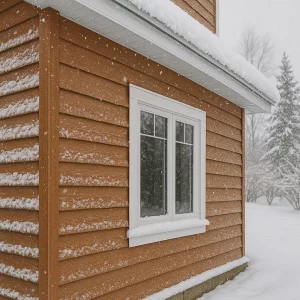
Is Engineered Wood Siding Right for Harsh Canadian Winters?
Canadian winters can be tough on building exteriors—especially with extreme cold, heavy snow, and rapid freeze-thaw cycles. So how does engineered wood siding hold up? Built for Harsh Conditions Moisture-Resistant Coating: Most engineered wood siding is treated to repel moisture, preventing swelling or rot even in wet, snowy climates. Impact Durability: It handles hail, flying…
Read More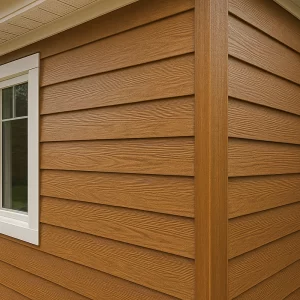
The Aesthetic Advantage of Engineered Wood Siding
For homeowners and designers who want the warm, natural look of wood without the high maintenance, engineered wood siding is a standout choice. It offers authentic wood textures with modern-day durability—bringing style and strength together in one sleek package. Why It Looks So Good Real Wood Texture: Engineered wood is made with compressed wood fibers,…
Read More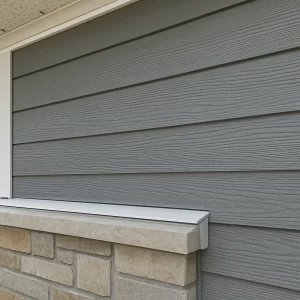
Fire-Resistant Cladding: How Fibre Cement Holds Up Under Pressure
In an era of increasing wildfire risk, fire-resistant siding is more important than ever. One of fibre cement’s biggest advantages is its non-combustible nature—making it a top choice for fire-safe building envelopes. How Fibre Cement Performs in Fire Does Not Ignite: Fibre cement will not catch fire even with direct flame exposure No Melting or…
Read More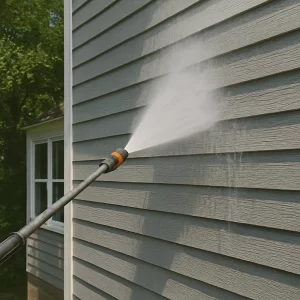
Maintaining Fibre Cement Siding: What Homeowners Need to Know
Fibre cement siding is known for being low maintenance—but that doesn’t mean no maintenance. Keeping your siding clean and in good shape can help maximize its lifespan and keep your home looking sharp for decades. 1. Routine Cleaning Wash your siding once or twice per year with a garden hose and soft brush Use mild…
Read More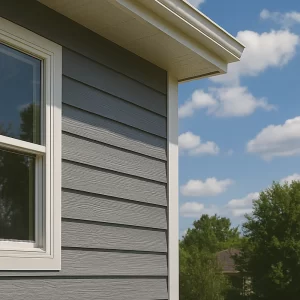
Why Fibre Cement Siding Is the Gold Standard for Durability
When it comes to siding that can stand up to Canada’s harsh climates, few materials perform as consistently well as fibre cement. It’s widely regarded by builders and architects as the gold standard for long-term durability—offering a rare combination of strength, versatility, and resilience. What Makes Fibre Cement So Durable? Fibre cement siding is made…
Read More